Dental anxiety: small steps towards a calmer visit
If worry makes you postpone a dental visit, start with a conversation. Clear explanations, a pause signal and a step-by-step plan can help you feel more in control.
Key takeaways
- Tell the team about your worries when booking.
- Agree on a pause signal, such as raising your hand.
- Discuss pain control and ask questions.
- Seek extra support if fear prevents dental care.
Dental anxiety can begin before you even book an appointment. It may come from an unpleasant experience, a fear of needles, instrument sounds or uncertainty about what will happen. You do not need to blame yourself. A useful first step is to describe your concerns and discuss an approach that suits you.
Say what worries you most
When booking, you might say: ‘I am worried about pain’, ‘Not knowing what comes next makes me nervous’ or ‘I had a difficult experience before’. Your explanation does not have to be long or perfectly organised. If speaking feels difficult, write down two or three questions and bring them along.
Ask what the first appointment involves and whether starting with a conversation and examination would be appropriate. If treatment is not urgent, a plan in manageable stages may be possible. This is a shared decision after assessment, rather than a promise that applies to everyone.
Agree on a pause signal
Raising your hand is a simple signal to agree on before treatment. Discuss how and when the dentist can pause safely. It gives you a way to communicate that you need a moment even when you cannot speak.
You can ask for a brief explanation before each step, or less detail if descriptions increase your anxiety. Tell the team what helps. A dental visit is not a test of courage: clear communication is part of good care.
Talk about pain control
Local anaesthetic is used to numb a particular area. The procedure, your health, medicines and allergies all matter when choosing the approach. If you feel pain despite the anaesthetic, signal and tell the dentist so they can assess what is happening. You do not need to endure it silently.
Sedation differs from local anaesthetic and is not necessary for every anxious patient. If considered, it requires individual assessment, an appropriately trained team and specific instructions. Ask which options are suitable and available for you. Do not take sedatives without medical advice.
Earliest available appointment
Checking the schedule…
Small things that may help
While waiting, try a few slow, comfortable breaths without holding your breath. Relax your shoulders and jaw. If music helps, ask whether you can use headphones while still hearing the team's instructions. Choose one simple technique rather than trying to follow a long checklist.
When might extra support help?
If fear causes panic or keeps you from receiving necessary dental care, discuss it with your dentist and doctor. Support from a qualified psychologist or therapist may help; cognitive behavioural therapy is one approach used for dental anxiety. Seeking support is a practical step, not a failure.
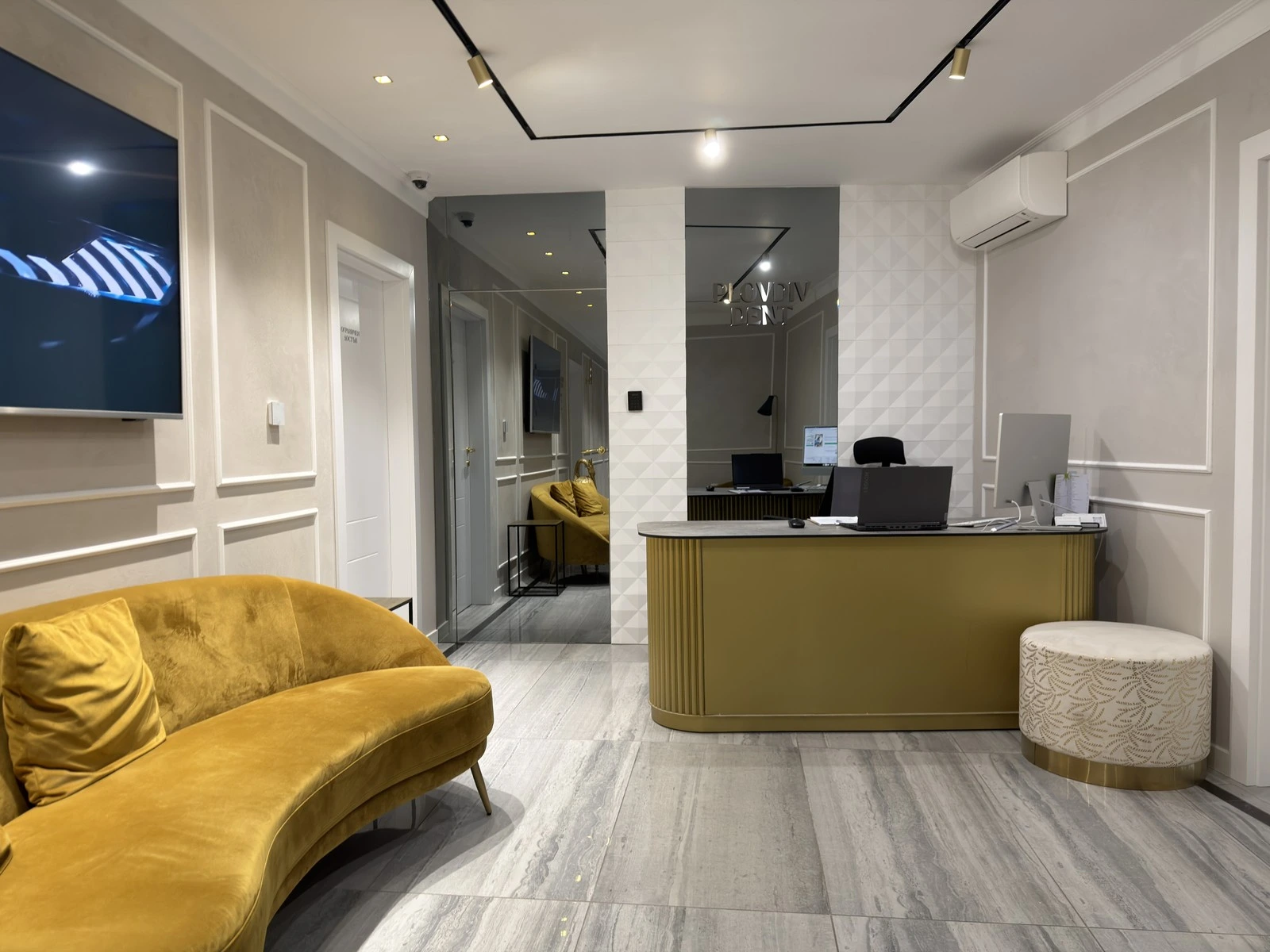
When booking a visit at Plovdiv Dent, tell the team about your concerns. A conversation and individual examination can help clarify the next step. The aim is for you to understand what comes next and take part in decisions about your care.
Frequently asked questions
What can I say if I feel embarrassed?
Try: ‘I feel anxious about this visit and would like to discuss what could help.’ You can also show the dentist a short written note.
Can we start with a conversation and examination?
Ask when booking. Whether this is appropriate depends on your symptoms and how urgent treatment is; the plan is agreed individually.
How can I ask for a pause during treatment?
Agree on a signal beforehand, such as raising your hand. Discuss how and when the dentist can pause safely.
Does strong anxiety always mean I need sedation?
No. Options depend on your health, anxiety and treatment needs. Communication, a staged plan and psychological support may also be helpful.